Home Battery Backup Power Vs Generators
Table Of Content

Whether a targeted backup or a whole-house solution makes more sense depends on your home, budget, and electricity consumption needs. If you've got solar panels, you can add batteries to store your excess solar energy to use when you need it. Roundtrip efficiency is a measure of electrical losses involved with charging and discharging a particular battery. The higher the percentage, the more efficiently the battery can convert incoming electricity into stored electricity and back into usable electricity.
Start exploring solar-plus-storage options
Time-of-use, or TOU, rates are a form of "time-varying rates" designed to better reflect the actual cost of electricity based on the amount of supply and demand. Utilities have used TOU rates for businesses for many years, but they're becoming an increasingly common way to charge homeowners. Under TOU rates, your cost of electricity will vary from hour to hour, day to day, and season to season. With a battery, you can use your stored energy to avoid pulling electricity from the grid when it costs the most. AC systems are slightly less efficient but more flexible and easier to install, especially if you already have solar.
Your Power Needs
While solar panels generate electricity in direct current, the electric grid and homes generally use alternating current. An inverter can convert AC to DC or vice versa, and most solar batteries include an inverter to store the energy in DC form, as well as an inverter to convert it back into AC to be used in the grid or the home. Separately, if you have a time-of-use utility plan, you can use a battery backup system to save money on your electricity bill.
Panasonic EverVolt: The complete home battery review
One of the most prominent energy management system brands, Span, claims that their smart home panel provides 40% longer backup than battery-only systems. However, home backup batteries are becoming an increasingly popular choice over home generators, offering many of the same backup power functions as conventional generators but without the need for refueling. While they're more expensive upfront and require an electrician to install, when paired with solar panels, you can "refuel" them for free with the sun's energy. They're also much quieter than generators and don't come with emissions-related health concerns.
Can I power my house with an electric car? - Environment America
Can I power my house with an electric car?.
Posted: Wed, 10 Jan 2024 08:00:00 GMT [source]
Do you frequently experience power outages?
With a beefy 1534Wh capacity and 1800W running wattage, you can power the most important appliances and devices in your home. The Tesla Powerwall is a leading battery backup system that simplifies your switch to backup battery power. With the ability to recharge using solar PV panels, you can rely on stored solar energy during power outages. Depending on your energy needs and how conservative you can be with the energy you store, a home battery backup can usually last a day or two during an outage. For optimal energy storage and output, you should pair the battery with a solar panel system to create a closed system that produces and stores energy while powering your home. The Enphase IQ Battery comes in two sizes and is advantageous for people who experience regular power outages.
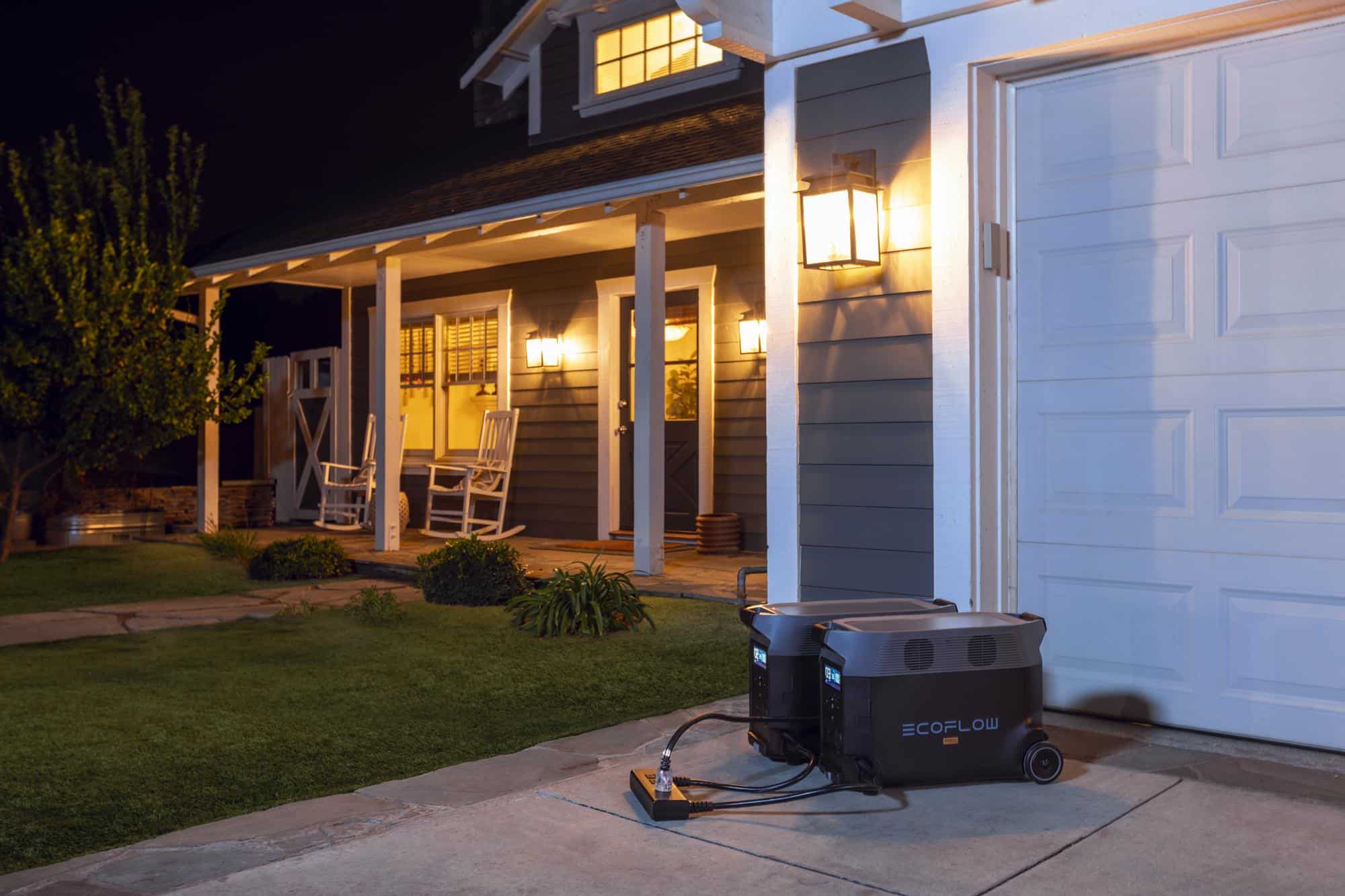
The Best Portable Power Stations of 2024 - Battery-Powered Generators - Popular Mechanics
The Best Portable Power Stations of 2024 - Battery-Powered Generators.
Posted: Mon, 26 Feb 2024 08:00:00 GMT [source]
With battery backup solutions, you get energy security and peace of mind. Inverters are necessary to convert electricity from direct current (DC), which is generated by solar panels and stored in solar batteries, to alternating current (AC), which is used by most household appliances. Storage systems can come with or without an integrated inverter – if your system doesn't come with an integrated inverter, you'll have to pair it with a separate, external inverter.
Do I need a home battery if I already have solar panels?
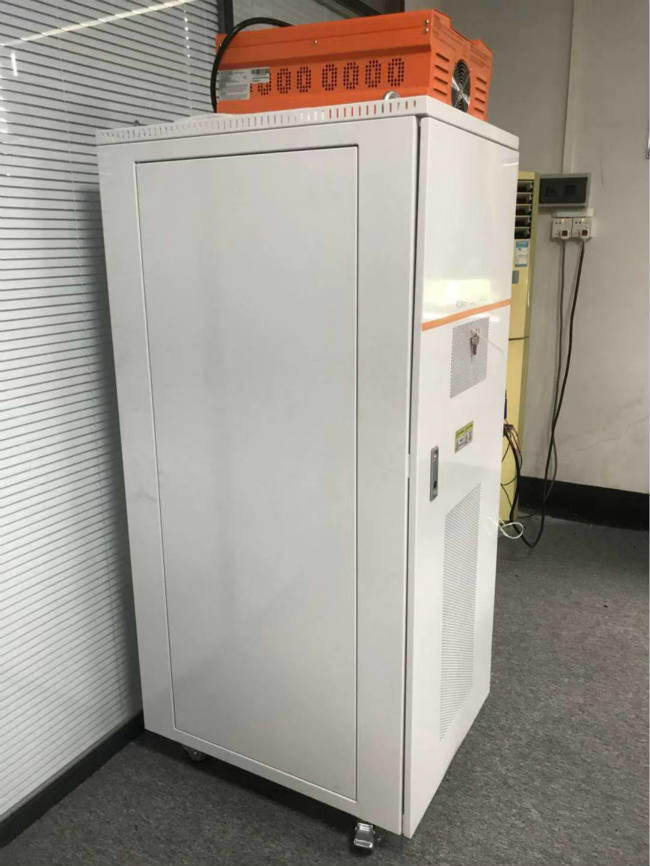
The pros and cons of buying a battery largely boil down to savings (and backup power) versus cost. Without solar batteries, even a house covered in photovoltaic panels will leave homeowners literally powerless when the grid goes down. Solar panels are a great way to capture free, clean energy from the sun for yourself or to feed it into the grid for more savings on your utility bill, but it's attaching a battery bank that gives you real energy independence. The EverVolt is one of a handful of batteries available in almost identical AC and DC versions. It can be just as easily installed alongside a new solar panel system as it can be added as a retrofit to an existing system. The EverVolt and Evervolt 2.0 are specifically designed to pair with Panasonic's premium HIT panels.
Typically, you can power the essentials – like your phone, computer, Internet, refrigerator, and some lights – for about 24 hours with a 10 kWh battery. If you're trying to power a heat pump or an air conditioner with your 10 kWh battery, you'll likely only be able to run it for about three hours. The federal investment tax credit (ITC) is today's best battery incentive. Unlike a tax deduction (which reduces your taxable income), the ITC allows you to apply 30% of your battery system's upfront cost as a credit toward your federal tax bill. If you've already paid your taxes during the year, you can even receive the ITC as a refund, as long as it doesn't exceed your total tax liability. If it does exceed your tax liability, the remaining credit will roll over to the following year.
Panasonic has not yet announced costs for the EverVolt 2.0, but an installation of the original EverVolt generally ranges from $15,000 to $20,000 depending on if you choose the Standard or Plus model. The battery life of your EverVolt batteries will deteriorate in the same way. All batteries lose some of their ability to hold a charge over time after extended usage, whether it's an electric vehicle battery, a home energy battery, or a rechargeable AA battery. This is why Panasonic offers a warranty guaranteeing a certain percentage of storage capacity. A battery's power determines what appliances you can run with it at the same time, while usable capacity determines how long those appliances can be run.
One of the primary criticisms of renewable energy resources like wind and solar is that you can't count on them to produce energy at the exact time you need it like you can with fossil fuels. They produce electricity when the wind is blowing, and the sun is shining, but not when the wind is still, and the sun has set. However, our top pick is the Generac PWRcell for its flexible installation options and power capacity. Our budget pick is the portable Goal Zero Yeti 6000X Solar Generator for backing up critical items while using clean energy, and it doesn't require special installation. You will need to carefully consider peak load in KWh per day when calculating the size of battery power you need. If your energy requirements are low -- such as lighting -- then most backup systems will be able to cope with this.
Unfortunately, Enphase's at-home EV charger installation services are not yet available in your area. The EcoFlow RIVER 2 series is an even more budget-friendly alternative — albeit with less storage and output capacity. For maximum energy security, the Smart Home Ecosystem is the superior choice. Over the last ten years, weather-related outages increased by 78% from the previous decade, and, thanks to climate change, it’s likely to get worse. To power modern household appliances, a pure sine wave inverter is essential; otherwise, you may end up frying some of the more delicate electronic circuits in your home.


Comments
Post a Comment