PDF Design theory: a foundation of a new paradigm for design science and engineering Pascal Le Masson
Table Of Content

Emphasis in design principles refers to intentionally highlighting specific elements to draw attention and create a focal point. By manipulating contrast, color, size, or placement, designers can guide the viewer's eye to the most crucial parts of a composition. Emphasis ensures that certain design elements have more visual weight, allowing them to stand out and capture interest. This principle helps convey the main message, evoke emotions, or guide user behavior.
Which program is right for you?
Although simple, lines can possess a large variety of properties that allow us to convey a range of expressions. For example, lines can be thick or thin, straight or curved, have uniform width or taper off, be geometric (i.e., look like they are drawn by a ruler or compass) or organic (i.e., look like they are drawn by hand). Be consistent with navigational mechanisms, organizational structure, etc., to make a stable, reliable and predictable design. Focus on emotion – the pleasure of use is as vital as ease of use; arouse users’ passion for increasing engagement. Show users where they’ve come from and where they’re headed with signposts/cues.
Read more articles
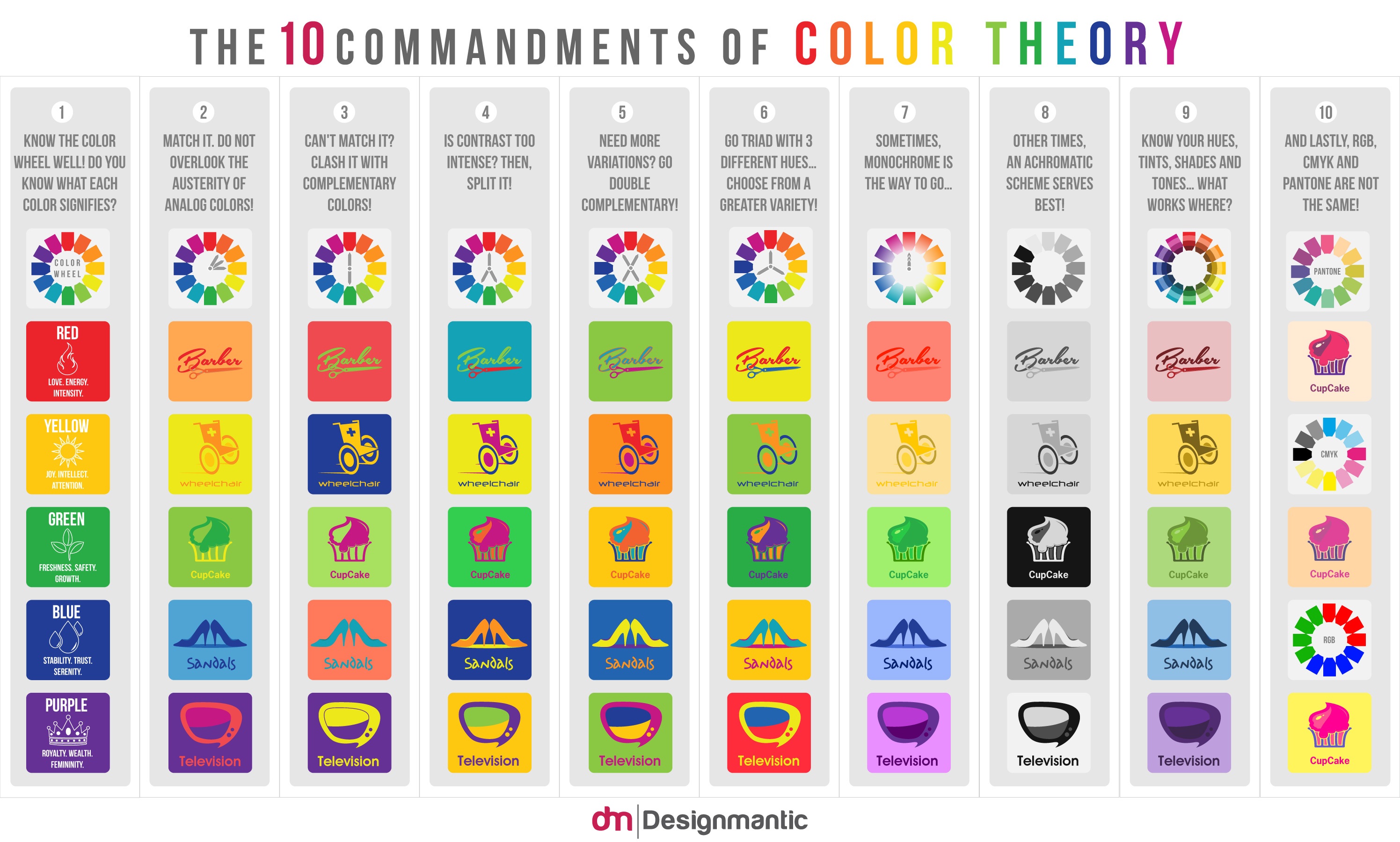
Colour theory is a branch of design focused on the mixing and usage of different colours in design and art. In colour theory, an important distinction exists between colours that mix subtractively and colours that mix additively. Are you considering becoming a graphic designer but want to be working online? When you understand the importance of design theory you’re able to create more effective, appealing and valuable work for yourself and your clients.
Win a Free Class!
In this class, students learn graphic design theory and techniques. For students interested in other types of design, Noble provides a long list of different bootcamps, including a Sketch Bootcamp and a UI Design Bootcamp. The principles of design theory can also help designers solve design problems.
The principle of space allows viewers to have the freedom to move through a design and discover each element. If you don’t leave enough “breathing room” in your design, your positive elements can become visually overwhelming, appearing messy and cluttered. Space can also convey attributes such as simplicity, cleanliness and openness, which are particularly popular in sleek, modern designs.
Color Theory and Color Technical
Introduction to Design Theory introduces a comprehensive, systematic, and didactic outline of the discourse of design. The essay "Ornament and Crime" by Adolf Loos from 1908 is one of the early 'principles' design-theoretical texts. Others include Le Corbusier's Vers une architecture (1923),[1] and Victor Papanek's Design for the real world (1972).
Ten rooms that make clever use of the "unexpected red theory" - Dezeen
Ten rooms that make clever use of the "unexpected red theory".
Posted: Sat, 10 Feb 2024 08:00:00 GMT [source]
The Key Elements & Principles of Visual Design
A full-time MBA program for mid-career leaders eager to dedicate one year of discovery for a lifetime of impact. An interdisciplinary program that combines engineering, management, and design, leading to a master’s degree in engineering and management. A doctoral program that produces outstanding scholars who are leading in their fields of research. Earn your MBA and SM in engineering with this transformative two-year program. Contributions will be reviewed by usual standard procedures, according to the type of event and the form of publication. This third axis includes fundamentals from neuroscience, with discussion of design fixation and inhibitory control in the human brain.
Questions related to design principles
Items that appear at the top of a page or app also tend to be viewed as having a higher hierarchy than those appearing below. Unity has to do with creating a sense of harmony between all elements in a page. A page with elements that are visually or conceptually arranged together will likely create a sense of unity. We use colours in visual design to convey emotions in and add variety and interest to our designs, separate distinct areas of a page, and differentiate our work from the competition.
The high-stakes design theory that Sauber hopes is key to 2024 F1 progress - Motorsport.com
The high-stakes design theory that Sauber hopes is key to 2024 F1 progress.
Posted: Tue, 06 Feb 2024 08:00:00 GMT [source]
By providing both classical and state-of-the-art construction techniques, this book enables students to produce many other types of designs. Color The use of color is really helpful to give a balance to a design. As a designer, you should also know what message delivers by each color.
Whether we realize it or not, we apply this theory when we are dressing. We will think about the color of our dress, then match it with the shoes, the bag, and any other attire we attached to ourselves. All the things that we plan well for our costumes for a certain event also have the real form application of the design theory.
Every design project includes certain challenges or frustrations. Still, designers who understand why they are using various elements in their design are better equipped to solve any problems they encounter. In the third lesson, you’ll learn best practices for designing with type and how to effectively use type for communication. We’ll provide you with a basic understanding of the anatomy of type, type classifications, type styles and typographic terms. You’ll also learn practical tips for selecting a typeface, when to mix typefaces and how to talk type with fellow designers. Illustration of visual design elements and principles that include unity, Gestalt, hierarchy, balance, contrast, scale and dominance.
A subtractive mix of colours in paint and print produces the CMYK (i.e., Cyan, Magenta, Yellow and blacK) colour system. Use defaults wisely – when you offer predetermined, well-considered options, you help minimize users’ decisions and increase efficiency. Offer few options – don’t hinder users with nice-to-haves; give them needed alternatives instead. Designers should know how to identify a graphic element and be able to use them in a design. In other words, it’s about the designer putting themselves into the shoes of the person who is going to interact with their design. As for the beverages, we definitely would choose the right glass for the guests.
To make a good composition, there are some elements that we should consider. We should use the right vocabulary in order to make a good sense of the composition. The repetition of the same word or phrases should be eliminated, and use the technique of paraphrasing or selecting other words with similar meaning. The rhyme should be another aspect to be considered as well to make the composition better, either in form or function.
For an introduction to the philosophy of design see the article by Per Galle[2] at the Royal Danish Academy. One of the best things about graphic design is that it never stands still for a moment. The difference between a graphic element and illustration is that graphic elements are purely decorative, while illustration aims to communicate a concept or message. On the other hand, colour technical is a series of technical considerations about the application of colour in a finished design.
It developed through an elaboration of the concept of the interdisciplinary engineering knowledge genome as well as continuous work on n-dim and flat spaces as potential structures for design. A design certificate can be a good option for those who want more in-depth training. These courses generally run longer than bootcamps and provide a deeper level of design education. Digital Design Certificate is one of Noble’s many certificate classes in the design field. This course is intended to create well-rounded Digital Designers and includes vital design concepts and theory. Students who need a more flexible option can choose an on-demand design theory class.
If he cannot answer that kind of question, he might then need more to think, he said. Since according to Lester, he or she should make the decision based on personal choices and tastes. Design thinking isn’t just for “things.” If you are only applying the approach to physical products, you aren’t getting the most out of it.


Comments
Post a Comment